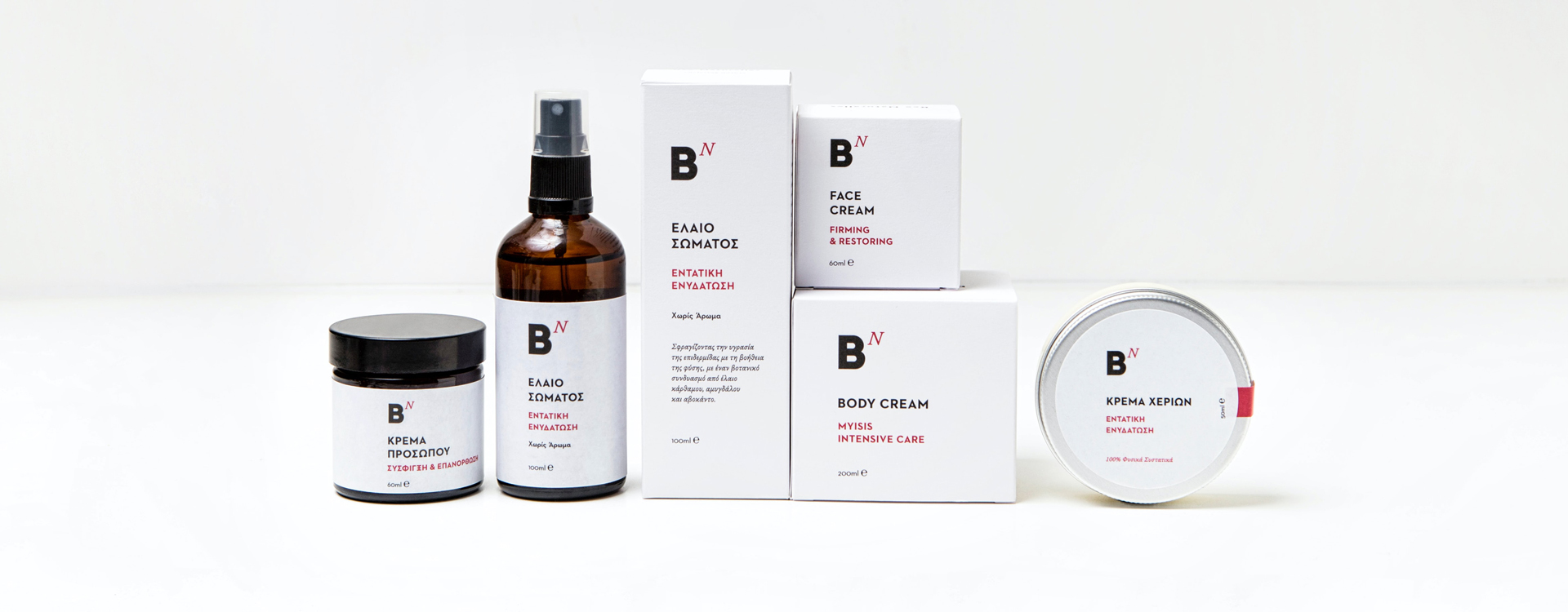
Every cosmetic product sold in the United States must clearly tell consumers what the product is. This simple concept is known in regulatory terms as the Statement of Identity. The Statement of Identity is one of the most fundamental labeling requirements enforced by the US FDA, and it appears on the cosmetic’s Principal Display Panel (PDP).
When a Statement of Identity is missing, unclear, or misleading, the cosmetic product is considered misbranded and therefore illegal to distribute in the United States. With the enforcement enhancements introduced by the Modernization of Cosmetics Regulation Act (MoCRA), Statement of Identity compliance has become even more critical for cosmetic brands.
XPRO America is a professional US FDA Consultancy supporting cosmetic companies with label compliance reviews, Statement of Identity verification, and MoCRA-aligned regulatory strategy.
What Is the Statement of Identity
The Statement of Identity is a brief, clear description of the cosmetic product’s common or usual name or its intended function.
In simple terms, it answers the question:
What is this product?
Examples:
- Face Cream
- Shampoo
- Body Lotion
- Lip Balm
- Hair Serum
- Facial Cleanser
The Statement of Identity must accurately describe the product type.
Why the Statement of Identity Is Required
The US FDA requires the Statement of Identity so consumers can:
- Quickly understand the nature of the product
- Distinguish between different product types
- Make informed purchasing decisions
If consumers cannot easily determine what a product is, the label is considered misleading.
Where the Statement of Identity Must Appear
The Statement of Identity must appear on the Principal Display Panel (PDP) of the cosmetic package.
The PDP is the part of the label most likely to be seen at the time of purchase (usually the front of the package).
Placement on side panels or back panels does not satisfy the requirement.
How the Statement of Identity Should Be Written
The Statement of Identity must:
- Use plain and descriptive language
- Reflect the primary function of the product
- Be truthful and not misleading
- Be in English
Brand names, slogans, or fanciful product names do not replace the Statement of Identity.
Example
Incorrect:
“Radiant Glow Supreme”
Correct:
“Face Moisturizer”
The brand name may still appear, but the product identity must also be present.
Type Size and Prominence
The Statement of Identity must:
- Be reasonably prominent
- Be in a type size related to the most prominent printed matter on the PDP
- Be easy to read
Very small or hidden text may be considered non-compliant.
Multiple-Function Products
Some cosmetics serve more than one purpose.
Examples:
- Cleansing and moisturizing
- Shampoo and conditioner
In such cases, the Statement of Identity should reflect the primary function or clearly describe both functions, such as:
“2-in-1 Shampoo and Conditioner”
Relationship Between Statement of Identity and Net Quantity
Both of the following must appear on the PDP:
- Statement of Identity
- Net Quantity of Contents
Missing either element results in misbranding.
Common Statement of Identity Errors
- Using only brand name
- Using marketing phrases instead of product type
- Overly technical terminology
- Inconsistent identity across product line
- Identity that conflicts with product listing
These mistakes are frequently cited during US FDA inspections.
Statement of Identity and Misbranding
A cosmetic is considered misbranded if:
- The Statement of Identity is missing
- The Statement of Identity is unclear
- The Statement of Identity is misleading
Misbranded cosmetics are illegal to sell in the United States.
Relationship to MoCRA Compliance
MoCRA strengthens US FDA authority to:
- Review cosmetic labels during inspections
- Access records supporting labeling claims
- Mandate recalls for misbranded products
Statement of Identity must align with:
- Cosmetic product listing
- Safety substantiation
- Ingredient declaration
- Marketing claims
Inconsistencies raise regulatory risk.
Import Considerations
Imported cosmetics with incorrect or missing Statements of Identity may be:
- Detained at port
- Refused entry
- Placed on import alert
Pre-export label review is strongly recommended.
Best Practices for Statement of Identity Compliance
- Clearly define product type
- Use simple, common terminology
- Place identity on PDP
- Verify font size and prominence
- Align identity with product listing
- Conduct regulatory label review
- Work with an experienced US FDA Consultancy
How XPRO America Supports Statement of Identity Compliance
XPRO America operates as a trusted US FDA Consultancy providing:
- Statement of Identity review
- Principal Display Panel compliance checks
- Full cosmetic label audits
- Claim risk assessment
- MoCRA compliance alignment
- Import labeling support
For professional assistance, contact support@xproamerica.com.
Compliance Insight
The Statement of Identity is one of the simplest yet most critical cosmetic labeling elements. Even high-quality products become illegal to sell if this requirement is not met. Under US FDA authority and MoCRA enforcement, cosmetic brands must ensure that every product clearly states what it is.
With expert guidance from XPRO America, cosmetic companies can establish compliant Statements of Identity, avoid misbranding, and maintain uninterrupted access to the US market.
Leave a Reply