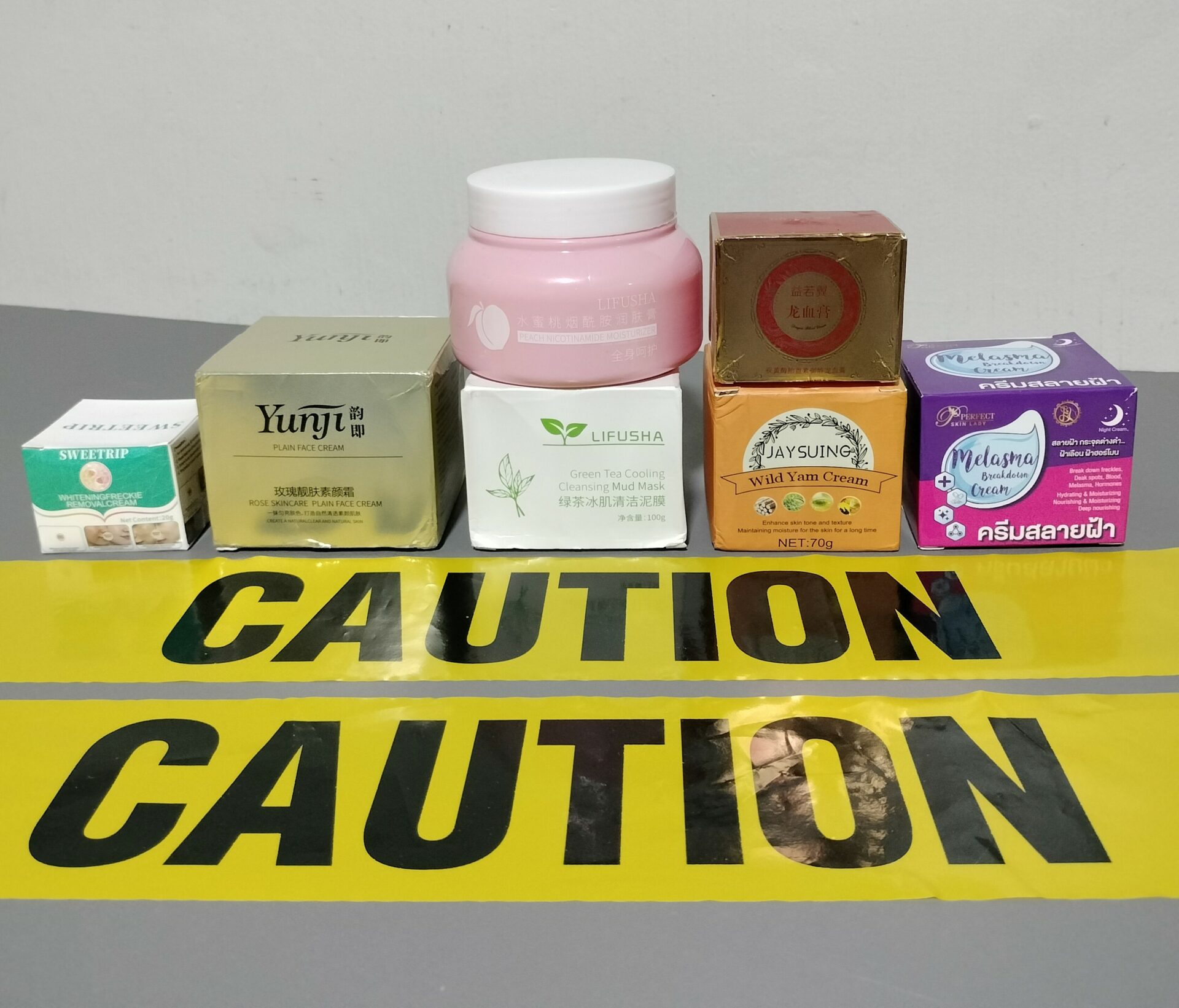
Under United States law, cosmetic products must be labeled and marketed in a truthful, accurate, and non-misleading manner. When a cosmetic fails to meet these legal standards, it is considered misbranded. A misbranded cosmetic is illegal to distribute in the United States and may trigger enforcement action by the US FDA.
With the implementation of the Modernization of Cosmetics Regulation Act (MoCRA), misbranding has become a higher-risk compliance issue. The US FDA now has expanded authority to access records, mandate recalls, and take swift action against non-compliant cosmetic products.
XPRO America is a professional US FDA Consultancy helping cosmetic brands identify misbranding risks, correct labeling deficiencies, and maintain full regulatory compliance.
What Does “Misbranded Cosmetic” Mean
A cosmetic is considered misbranded when its labeling or labeling-related claims:
- Are false or misleading
- Omit required information
- Are not presented in the required format
- Create an incorrect impression about the product
Misbranding focuses primarily on labeling and claims, rather than ingredient safety (which relates to adulteration).
Legal Basis for Misbranding
Misbranding is defined under:
- Federal Food, Drug, and Cosmetic Act
- Fair Packaging and Labeling Act
- Modernization of Cosmetics Regulation Act (MoCRA)
Under these laws, the US FDA evaluates whether consumers are being properly informed about what a cosmetic product is, what it contains, and who is responsible for it.
Common Reasons Cosmetics Become Misbranded
Missing Product Identity
If the label does not clearly state what the product is (e.g., “face cream,” “shampoo,” “body lotion”), it may be considered misbranded.
Brand names alone are not sufficient.
Missing Net Quantity of Contents
Cosmetic labels must declare the net quantity of contents in:
- US customary units
- Metric units
Missing or incorrect net quantity statements result in misbranding.
Incorrect or Incomplete Ingredient Declaration
Ingredient lists must:
- Use INCI names
- Be listed in descending order of predominance
- Match the formulation
Common issues include:
- Using marketing names instead of INCI names
- Omitting ingredients
- Incorrect order
Any of these can cause misbranding.
Missing Responsible Person Information
The label must display:
- Name of manufacturer, packer, or distributor
- Place of business (city, state, ZIP code)
Under MoCRA, this entity is the Responsible Person.
Missing or incomplete address information results in misbranding.
Misleading Claims
Cosmetic labels must not contain claims that:
- Are false
- Are exaggerated
- Imply drug-like effects
Examples of risky claims:
- “Heals eczema”
- “Cures acne”
- “FDA approved cosmetic”
Such claims may also reclassify a cosmetic as a drug.
Missing Required Warnings
Certain products require warnings, such as:
- Eye-area irritation warnings
- Hair dye sensitization warnings
- Aerosol flammability warnings
If required warnings are absent, the product is misbranded.
Language and Legibility Issues
Labels must be:
- In English
- Easily readable
- Prominently placed
Small, hidden, or crowded text may be considered non-compliant.
Relationship Between Misbranding and MoCRA
MoCRA strengthened US FDA authority to:
- Inspect labels during facility inspections
- Access records supporting label claims
- Mandate recalls of misbranded cosmetics
Misbranding is now more likely to result in rapid enforcement action.
Consequences of Misbranding
If a cosmetic is misbranded, the US FDA may:
- Issue a warning letter
- Request voluntary recall
- Mandate recall under MoCRA
- Refuse import entry
- Place product on import alert
- Seize product
Misbranding can also damage retailer relationships and brand reputation.
Misbranding vs. Adulteration
- Misbranding = Labeling or claims problems
- Adulteration = Product safety or contamination problems
A cosmetic may be both misbranded and adulterated.
Import Implications
Imported cosmetics with misbranded labels may be:
- Detained at port
- Refused entry
- Subject to increased inspection
Pre-export label review is critical.
Preventing Misbranding
- Conduct regulatory label reviews
- Align formulation, listing, and label data
- Substantiate all claims
- Maintain safety documentation
- Monitor regulatory updates
- Work with an experienced US FDA Consultancy
How XPRO America Supports Misbranding Compliance
XPRO America operates as a trusted US FDA Consultancy providing:
- Cosmetic label compliance review
- Ingredient declaration verification
- Claim risk assessment
- MoCRA compliance alignment
- Product listing reconciliation
- Import labeling support
For professional assistance, contact support@xproamerica.com.
Compliance Outlook
Misbranding is one of the most common and preventable cosmetic compliance failures. Under US FDA authority and MoCRA enforcement, cosmetic companies must ensure that every label element is accurate, complete, and defensible.
With expert guidance from XPRO America, cosmetic brands can avoid misbranding violations, reduce regulatory risk, and maintain uninterrupted access to the US market.
Leave a Reply