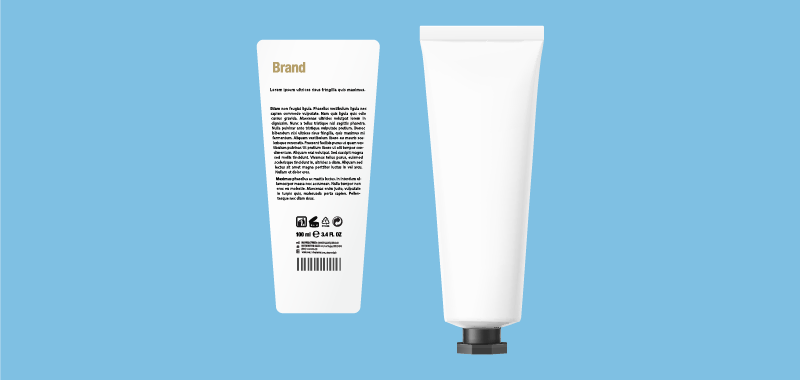
Cosmetic labeling is not just a marketing activity—it is a legal obligation under United States law. Every cosmetic product sold in the US must carry labeling that is truthful, not misleading, and compliant with regulations enforced by the US FDA. With the implementation of the Modernization of Cosmetics Regulation Act (MoCRA), labeling compliance has become even more critical, as misbranding can now directly trigger recalls, import refusals, and enforcement actions.
Cosmetic labels serve as the primary communication tool between manufacturers and consumers, conveying what the product is, how much is inside, who is responsible for it, and what ingredients it contains. Failure to meet labeling requirements can render a product misbranded, making it illegal to market in the United States.
XPRO America is a professional US FDA Consultancy supporting cosmetic brands with labeling compliance reviews, regulatory strategy, and MoCRA-aligned documentation.
Regulatory Basis for Cosmetic Labeling
Cosmetic labeling in the United States is governed by:
- Federal Food, Drug, and Cosmetic Act
- Fair Packaging and Labeling Act
- Modernization of Cosmetics Regulation Act (MoCRA)
Under these laws, the US FDA evaluates whether cosmetic labels provide accurate, clear, and non-deceptive information.
What Makes a Cosmetic Label Compliant
A compliant cosmetic label must:
- Identify the product
- Declare net contents
- List ingredients properly
- Identify the Responsible Person
- Display required warnings
- Avoid misleading claims
All required elements must be visible, legible, and in English (unless distributed solely in a foreign-language territory within the US).
Principal Display Panel (PDP) Requirements
The Principal Display Panel is the front-facing portion of the package most likely to be seen by consumers.
The PDP must include:
- Product identity (what the product is)
- Net quantity of contents
Product Identity
The product identity should clearly describe the nature of the cosmetic, such as:
- Face cream
- Shampoo
- Lipstick
- Body lotion
Fancy brand names alone are not sufficient.
Net Quantity of Contents
The net quantity must be stated in:
- US customary units (oz, fl oz, lb)
- Metric units (g, mL)
This declaration must appear on the PDP.
Information Panel Requirements
The Information Panel is typically the back or side of the package and must include:
- Ingredient declaration
- Name and address of Responsible Person
- Warnings and cautions
Ingredient Declaration Rules
Cosmetic ingredients must be listed:
- In descending order of predominance by weight
- Using INCI names
- Without marketing descriptors
Exceptions:
- Color additives may be listed at the end
- Fragrance and flavor may be listed as “fragrance” or “flavor”
Ingredient lists must exactly match the formulation and cosmetic product listing.
XPRO America reconciles labels with formulation and listing data.
Responsible Person Identification
The label must display:
- Name of manufacturer, packer, or distributor
- Place of business (city, state, ZIP code)
Under MoCRA, this entity is the Responsible Person and holds legal accountability for compliance.
Foreign companies must ensure US-based contact information is properly presented.
Warning and Caution Statements
Certain cosmetic products require specific warnings.
Examples include:
- Eye-area product irritation warnings
- Aerosol flammability warnings
- Hair dye sensitization warnings
Warnings must be conspicuous and clearly worded.
Missing warnings may render a product misbranded.
Language and Legibility
Labels must be:
- In English
- Easily readable
- Prominently placed
Small, crowded, or hidden text may be considered non-compliant.
Claims and Misbranding
Cosmetic labels must not:
- Claim to treat or prevent disease
- Imply drug-like effects
- Make false or misleading statements
Examples of risky claims:
- “Heals eczema”
- “Treats acne permanently”
- “FDA approved cosmetic”
Such claims may reclassify a cosmetic as a drug, triggering additional regulatory obligations.
XPRO America reviews claims for compliance risk.
Relationship Between Labeling and MoCRA
MoCRA strengthened US FDA authority to:
- Review labels during inspections
- Access records supporting claims
- Mandate recalls for misbranded products
Labels must align with:
- Safety substantiation
- Product listing
- Facility registration
- Adverse event reporting
Labeling inconsistencies often trigger deeper investigations.
Import Considerations
Imported cosmetics must meet the same labeling requirements as domestic products.
Non-compliant labels may result in:
- Detention at port
- Refusal of entry
- Import alert placement
Pre-export label review is strongly recommended.
Common Cosmetic Labeling Errors
- Missing net quantity statement
- Incorrect ingredient order
- Using marketing names instead of INCI names
- Missing Responsible Person address
- Drug-like claims
These errors increase enforcement risk.
Best Practices for Label Compliance
- Perform regulatory label review before printing
- Align formulation, listing, and label data
- Maintain claim substantiation
- Monitor regulatory updates
- Work with an experienced US FDA Consultancy
How XPRO America Supports Cosmetic Labeling Compliance
XPRO America operates as a trusted US FDA Consultancy providing:
- Label content review
- Ingredient declaration verification
- Claim risk assessment
- MoCRA compliance alignment
- Product listing reconciliation
- Import labeling support
For professional assistance, contact support@xproamerica.com.
Compliance Perspective
Cosmetic labeling is a frontline regulatory requirement that directly affects whether a product can legally be sold in the United States. Under US FDA authority and MoCRA enforcement, labels must be accurate, complete, and defensible.
With expert guidance from XPRO America, cosmetic brands can develop compliant labels, reduce regulatory risk, and maintain uninterrupted access to the US market.
Leave a Reply