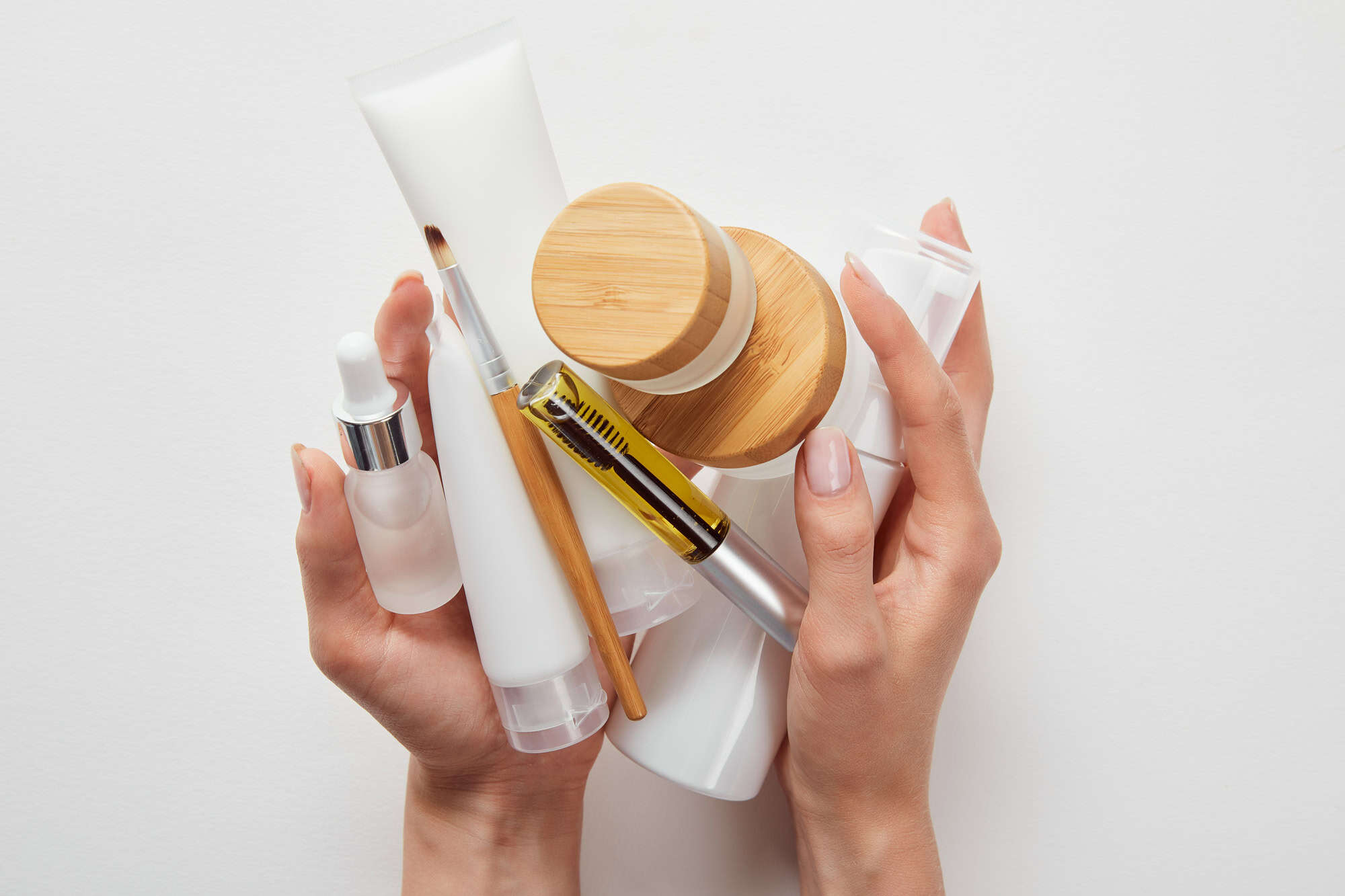
Many personal care products in the US marketplace appear to be simple cosmetics, yet they also perform therapeutic functions. These products are commonly referred to as OTC cosmetic products, meaning they have both cosmetic and over-the-counter (OTC) drug characteristics.
Under the authority of the US FDA, products that both beautify and treat or prevent certain conditions are regulated as drug–cosmetic combination products. Understanding this distinction is critical because OTC cosmetic products must comply with both cosmetic regulations and OTC drug regulations.
With the implementation of the Modernization of Cosmetics Regulation Act (MoCRA), compliance expectations for cosmetic aspects of these products have expanded significantly, while OTC drug obligations continue under existing drug laws.
XPRO America is a professional US FDA Consultancy helping brands correctly classify products, manage OTC monograph compliance, and align cosmetic requirements under MoCRA.
What Are OTC Cosmetic Products
OTC cosmetic products are products that:
- Perform a cosmetic function (cleansing, beautifying, altering appearance)
- Also perform a therapeutic function recognized under OTC drug regulations
Examples include:
- Anti-dandruff shampoo
- Acne treatment face wash
- Sunscreen with moisturizing claims
- Anti-perspirant deodorant
These products are not purely cosmetics—they are legally combination products.
Cosmetic Function vs Drug Function
Cosmetic Function
- Cleanses
- Beautifies
- Promotes attractiveness
- Alters appearance
Drug Function
- Treats or prevents disease
- Affects structure or function of the body
When both functions exist in one product, dual compliance applies.
Common Examples of OTC Cosmetic Products
- Shampoo + dandruff treatment
- Facial cleanser + acne treatment
- Moisturizer + sunscreen
- Deodorant + antiperspirant
- Lip balm + sun protection
Each example contains cosmetic and drug intent.
Why Classification Matters
If a product has OTC drug intent:
- It must comply with OTC drug monograph or approved drug pathway
- It must meet cosmetic labeling and safety obligations
- It must meet drug labeling, active ingredient, and Drug Facts panel requirements
Failure to meet either side results in non-compliance.
OTC Drug Monograph Compliance
OTC cosmetic products must use:
- Approved OTC active ingredients
- Permitted concentrations
- Approved indications
- Required warnings
- Drug Facts labeling format
If a product falls outside an OTC monograph, it may require a New Drug Application (NDA).
XPRO America evaluates OTC monograph alignment.
Cosmetic Compliance Still Applies
Even though the product is an OTC drug, it must still comply with cosmetic obligations, including:
- Cosmetic facility registration under MoCRA
- Cosmetic product listing
- Safety substantiation for cosmetic ingredients
- Cosmetic labeling elements (identity, net quantity, ingredient declaration)
- Adverse event reporting
OTC status does not replace cosmetic requirements.
Labeling Requirements for OTC Cosmetic Products
Labels must contain:
- Cosmetic labeling elements
- Drug Facts panel
- Active ingredient listing
- Purpose and use statements
- Warnings and directions
Label layout must properly separate cosmetic and drug information.
MoCRA Impact on OTC Cosmetic Products
MoCRA strengthened US FDA authority over:
- Cosmetic facility registration
- Cosmetic product listing
- Safety substantiation
- Mandatory recalls
- Records access
Brands selling OTC cosmetic products must now manage dual regulatory systems.
Safety Substantiation Responsibilities
Companies must maintain:
- Drug safety data for active ingredients
- Cosmetic safety substantiation for cosmetic ingredients
- Finished product safety evaluation
Both sides must be documented.
Import Considerations
Imported OTC cosmetic products may be detained if:
- OTC monograph requirements are not met
- Cosmetic facility registration is missing
- Product listing is incomplete
- Labeling is incorrect
Pre-export regulatory review is critical.
Common Compliance Mistakes
- Assuming OTC drug compliance alone is sufficient
- Missing cosmetic product listing
- Incorrect ingredient declaration
- Drug claims on cosmetic-only products
- Improper Drug Facts formatting
These errors increase enforcement risk.
Best Practices for OTC Cosmetic Compliance
- Perform cosmetic vs drug classification review
- Confirm OTC monograph eligibility
- Implement cosmetic MoCRA requirements
- Prepare dual safety documentation
- Conduct label compliance audits
- Work with an experienced US FDA Consultancy
How XPRO America Supports OTC Cosmetic Compliance
XPRO America operates as a trusted US FDA Consultancy providing:
- Product classification assessment
- OTC monograph evaluation
- Cosmetic MoCRA compliance support
- Label review (cosmetic + drug)
- Safety substantiation preparation
- Regulatory strategy consulting
For professional assistance, contact support@xproamerica.com.
Compliance Perspective
OTC cosmetic products operate in one of the most complex regulatory spaces in personal care. Brands must manage both cosmetic law and OTC drug law simultaneously. Under US FDA authority and MoCRA enforcement, mistakes in either area can lead to rapid enforcement action.
With expert guidance from XPRO America, companies can successfully position and market OTC cosmetic products while maintaining full US FDA compliance.
Leave a Reply