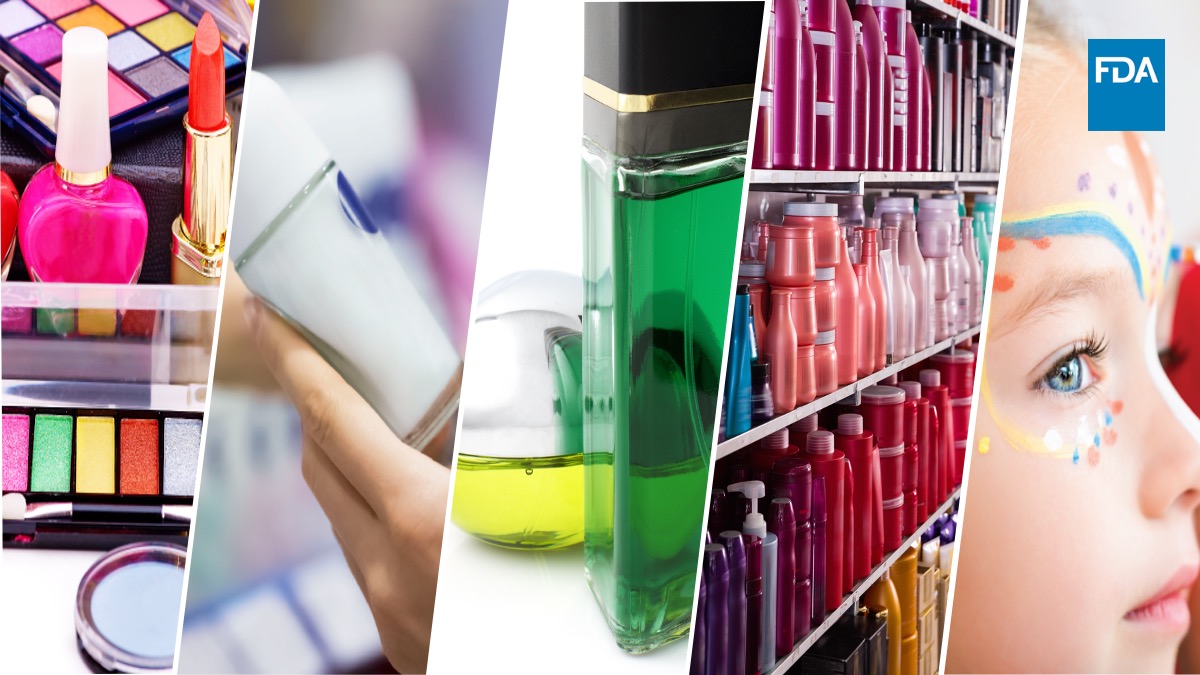
Cosmetic safety in the United States is grounded in the principle that products must not contain ingredients that are harmful to consumers. Under the authority of the US FDA and reinforced by the Modernization of Cosmetics Regulation Act (MoCRA), cosmetic companies are legally responsible for ensuring that their products do not contain prohibited cosmetic ingredients.
Although most cosmetic ingredients do not require premarket approval, certain substances are explicitly banned from use in cosmetics. The presence of even a single prohibited ingredient can render a cosmetic product adulterated and illegal to sell in the United States.
XPRO America is a professional US FDA Consultancy providing ingredient compliance assessments, formulation reviews, and regulatory guidance to help cosmetic brands avoid prohibited substances and maintain full compliance.
What Are Prohibited Cosmetic Ingredients
Prohibited cosmetic ingredients are substances that the US FDA has determined are unsafe for use in cosmetic products under any conditions.
If a cosmetic product contains a prohibited ingredient:
- It is considered adulterated
- It cannot be legally marketed in the United States
- It may be subject to recall or seizure
These prohibitions are established under the Federal Food, Drug, and Cosmetic Act and supported by MoCRA’s enhanced enforcement authority.
Why Certain Ingredients Are Prohibited
Ingredients may be prohibited due to:
- Proven toxicity
- Carcinogenic potential
- Severe skin or eye irritation
- Systemic health risks
- Environmental or occupational hazards
The US FDA evaluates scientific data and regulatory history when determining that an ingredient should not be used in cosmetics.
Examples of Prohibited Cosmetic Ingredients
Some well-known examples of prohibited cosmetic ingredients under US FDA regulations include:
- Chloroform
- Methylene chloride
- Vinyl chloride
- Certain mercury compounds
- Halogenated salicylanilides
- Zirconium-containing complexes in aerosol cosmetics
This list is not exhaustive. Companies must continuously monitor regulatory updates.
XPRO America screens formulations against the latest prohibited substance lists.
Difference Between Prohibited and Restricted Ingredients
It is important to distinguish between:
- Prohibited ingredients – never allowed in cosmetics
- Restricted ingredients – allowed only under specific conditions (concentration limits, product type restrictions, warnings, etc.)
Using a restricted ingredient outside its allowed conditions has the same regulatory consequence as using a prohibited ingredient.
Manufacturer Responsibility for Ingredient Compliance
US cosmetic regulation places primary responsibility on the manufacturer and brand owner.
Companies must:
- Verify ingredient regulatory status
- Evaluate ingredient safety
- Maintain documentation supporting compliance
- Ensure finished product safety
The US FDA does not pre-approve cosmetic formulations. Compliance is demonstrated through documentation and regulatory readiness.
Role of MoCRA in Ingredient Enforcement
MoCRA strengthened US FDA authority to:
- Request safety substantiation records
- Access formulation and ingredient data
- Mandate recalls when products pose serious risk
- Take enforcement action against unsafe cosmetics
Ingredient compliance failures now carry higher regulatory risk than ever before.
Color Additives and Separate Authorization
Color additives are regulated differently from other cosmetic ingredients.
Key points:
- Color additives must be specifically approved by the US FDA for cosmetic use
- Some require batch certification
- Approved usage conditions must be followed
Using an unapproved color additive makes a cosmetic adulterated.
Ingredient Listing and Prohibited Substances
Ingredient lists on cosmetic labels must accurately reflect product composition.
If a prohibited ingredient appears:
- On the label
- In formulation records
- In product listing submissions
The product is non-compliant regardless of concentration.
XPRO America reconciles labels, formulations, and listings.
Import Implications of Prohibited Ingredients
Imported cosmetics containing prohibited ingredients may be:
- Refused entry at US ports
- Placed on import alert
- Subject to detention without physical examination
Ingredient screening before export is essential.
Consequences of Using Prohibited Ingredients
Use of prohibited cosmetic ingredients may result in:
- US FDA warning letters
- Mandatory recalls
- Product seizure
- Import alerts
- Business interruption
- Reputational damage
Proactive compliance avoids these outcomes.
Best Practices for Avoiding Prohibited Ingredients
- Conduct ingredient regulatory screening
- Maintain updated prohibited and restricted lists
- Verify supplier specifications
- Perform formulation risk assessments
- Maintain safety substantiation documentation
- Work with an experienced US FDA Consultancy
How XPRO America Supports Ingredient Compliance
XPRO America operates as a trusted US FDA Consultancy providing:
- Prohibited and restricted ingredient screening
- Formulation compliance review
- Color additive verification
- Safety substantiation support
- Label and product listing reconciliation
- Ongoing regulatory monitoring
For professional assistance, contact support@xproamerica.com.
Regulatory Compliance Insight
Avoiding prohibited cosmetic ingredients is a fundamental requirement for accessing the US market. Companies that implement strong ingredient compliance systems protect consumers, safeguard their brands, and maintain regulatory stability.
With expert guidance from XPRO America, cosmetic manufacturers and brand owners can confidently formulate products that meet US FDA safety expectations.
Leave a Reply