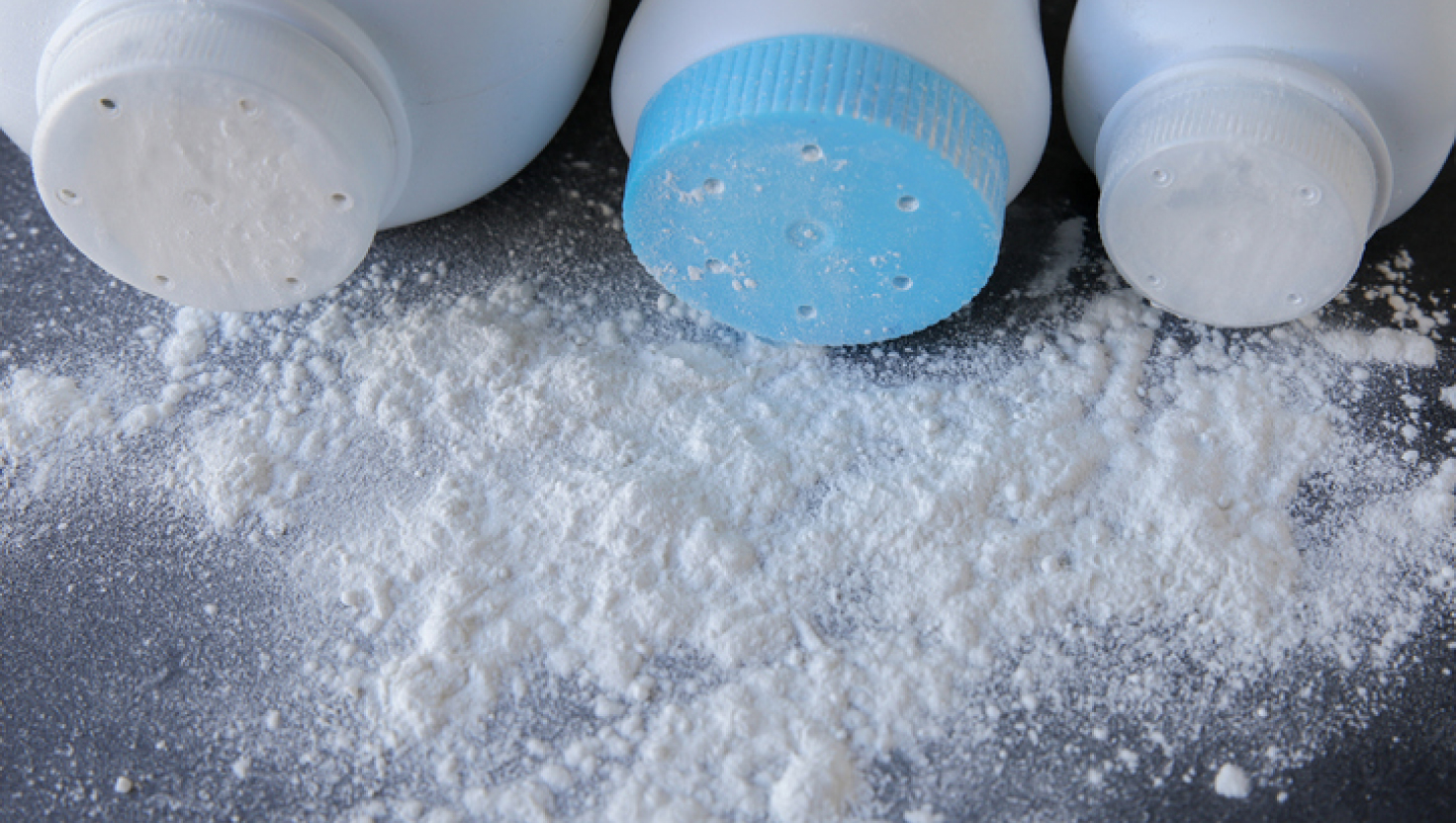
Talc has long been used in cosmetic products such as face powders, body powders, and certain pressed makeup formulations. However, concerns regarding asbestos contamination in talc have significantly increased regulatory scrutiny in recent years. Under the authority of the US FDA and strengthened by the Modernization of Cosmetics Regulation Act (MoCRA), cosmetic manufacturers must ensure that talc-containing products are free from asbestos and supported by appropriate safety documentation.
Although asbestos is not intentionally added to cosmetics, talc deposits can occur naturally near asbestos-containing minerals. If talc is not properly sourced and tested, contamination may occur—posing serious health risks and significant regulatory consequences.
XPRO America is a professional US FDA Consultancy assisting cosmetic companies with talc compliance assessments, laboratory verification strategies, and MoCRA-aligned regulatory support.
Why Asbestos in Talc Is a Regulatory Concern
Asbestos is a known carcinogen. Inhalation of asbestos fibers has been linked to:
- Mesothelioma
- Lung cancer
- Asbestosis
- Other serious respiratory conditions
If asbestos is present in cosmetic talc, especially in products used near the face, consumers may be exposed through inhalation.
Because of these risks, the US FDA closely monitors talc-containing cosmetic products.
US FDA Position on Asbestos in Cosmetics
The US FDA does not permit asbestos in cosmetic products. If asbestos is detected:
- The product is considered adulterated
- It is illegal to distribute in the United States
- It may be subject to recall or seizure
MoCRA strengthens US FDA authority to request records, mandate recalls, and enforce corrective action when serious health risks are identified.
MoCRA and Talc Safety Substantiation
Under MoCRA, cosmetic companies must maintain adequate safety substantiation for each product.
For talc-containing cosmetics, safety substantiation should include:
- Documentation of talc sourcing
- Certificates of analysis from suppliers
- Laboratory testing results confirming absence of asbestos
- Risk assessment of finished product
Failure to maintain proper documentation increases enforcement risk.
XPRO America prepares safety documentation packages aligned with US FDA expectations.
Testing for Asbestos in Cosmetic Talc
To reduce risk, cosmetic companies should implement rigorous testing protocols.
Common approaches include:
- Polarized Light Microscopy (PLM)
- Transmission Electron Microscopy (TEM)
Testing should be conducted by qualified laboratories with expertise in asbestos detection.
Testing is especially critical for:
- Loose face powders
- Body powders
- Pressed powders
- Products used near the nose or mouth
Supply Chain Risk Management
Talc compliance begins with supplier control.
Best practices include:
- Auditing talc suppliers
- Verifying mining source locations
- Reviewing geological risk assessments
- Requiring periodic third-party testing
- Maintaining written quality agreements
Supply chain transparency supports regulatory readiness.
Labeling and Product Listing Implications
While asbestos is not an ingredient and therefore not listed on labels, any contamination may:
- Trigger US FDA investigation
- Result in mandatory recall under MoCRA
- Lead to product seizure
Accurate cosmetic product listing and facility registration do not replace ingredient safety obligations.
Enforcement History and Increased Scrutiny
In recent years, talc-containing cosmetics have received heightened regulatory and public attention. The US FDA has:
- Conducted sampling programs
- Issued public safety communications
- Requested voluntary recalls
- Taken enforcement action when asbestos contamination was identified
This heightened scrutiny means companies must be proactive.
Consequences of Asbestos Contamination
If asbestos is detected in cosmetic talc products, companies may face:
- Mandatory recalls
- Import alerts
- Warning letters
- Civil litigation
- Severe reputational damage
Preventive compliance is significantly less costly than reactive enforcement.
Preventive Compliance Measures
To minimize asbestos risk, companies should:
- Implement raw material qualification programs
- Conduct periodic talc testing
- Maintain supplier documentation
- Keep detailed safety substantiation files
- Establish internal quality control SOPs
- Work with an experienced US FDA Consultancy
Import Considerations for Talc Products
Imported talc-containing cosmetics may be subject to:
- Increased US FDA inspection
- Sampling and laboratory testing
- Refusal of entry if contamination is detected
Pre-export compliance verification is essential.
XPRO America supports foreign manufacturers with US compliance preparation.
How XPRO America Supports Talc Compliance
XPRO America operates as a trusted US FDA Consultancy providing:
- Talc supplier qualification review
- Asbestos risk assessment
- Safety substantiation documentation
- GMP compliance support
- Regulatory readiness audits
- Recall preparedness planning
For professional assistance, contact support@xproamerica.com.
Regulatory Risk Awareness
Asbestos in talc cosmetics represents one of the most serious ingredient-related compliance risks in the cosmetic industry. Under MoCRA and expanded US FDA authority, companies must proactively verify that talc-containing products are free from contamination.
With expert guidance from XPRO America, cosmetic manufacturers and brand owners can implement strong preventive controls and maintain full US FDA compliance.
Leave a Reply